How Long Will Beef Tallow Last in the Fridge?
You can expect your beef tallow to last between 12 and 24 months in the fridge if you store it properly in airtight containers at around 40°F (4°C). Proper storage is key to extending the shelf life of beef tallow and maintaining its quality.
Keeping it sealed tightly and using clean utensils helps prevent contamination and spoilage.
Pay attention to changes in smell, color, or texture, as these can indicate that your tallow is no longer good to use. Label your containers with dates to track freshness and avoid using old tallow accidentally.
If you want to keep your beef tallow safe and flavorful, there are some handy tips and signs you should know about to ensure it stays in optimal condition throughout its storage.
How Long Does Beef Tallow Last in the Fridge?

Although beef tallow can last a long time at room temperature, storing it in the fridge extends its shelf life to 12 to 24 months when you keep it in airtight containers. Refrigeration slows oxidation, reducing the risk of spoilage and rancidity.
To maintain quality, you should always use clean utensils and seal the container tightly to keep air and moisture out. Watch for signs of spoilage like a sour smell, discoloration, or a grainy texture—these indicate it’s time to discard the tallow.
Temperature stability and protecting the tallow from light also play key roles in preserving freshness. By following these simple steps, refrigeration ensures your beef tallow stays safe and usable for much longer than if left at room temperature.
Why Refrigeration Extends Beef Tallow’s Shelf Life
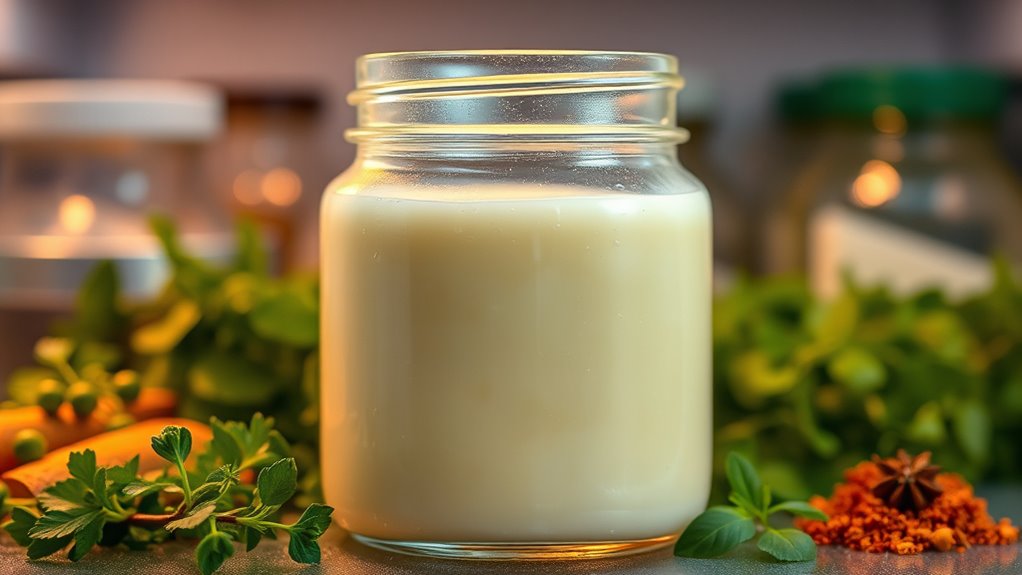
Keeping beef tallow in the fridge not only prolongs its shelf life but also preserves its quality by slowing oxidation and rancidity. Refrigeration’s cold temperatures inhibit microbial growth, which helps prevent spoilage even though beef tallow’s high saturated fat content already resists it.
When you store tallow in airtight containers, you further protect it from air exposure that accelerates rancidity. This combination means your beef tallow can stay fresh and flavorful for 12 to 24 months in the fridge.
Plus, refrigeration makes it easier for you to regularly check for any spoilage signs, ensuring safety and freshness. So, using refrigeration with airtight storage is key to extending beef tallow’s shelf life and maintaining its texture and flavor longer than at room temperature.
Why Rendering Quality Matters for Fridge-Stored Beef Tallow
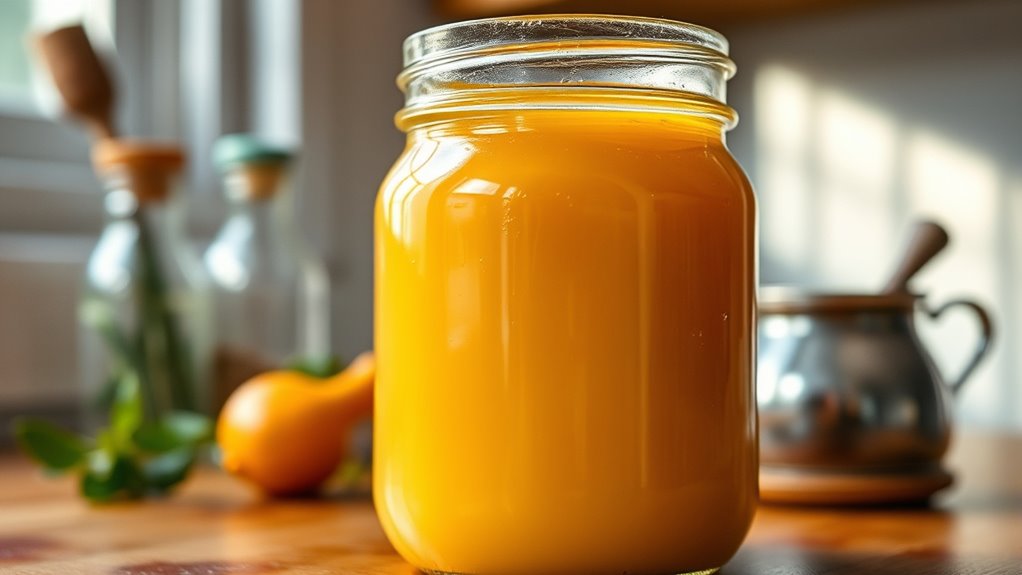
Because the quality of rendering directly affects beef tallow’s moisture and impurity levels, it plays a crucial role in how well your tallow lasts in the fridge. When you choose high-quality rendered beef tallow, you guarantee ideal storage quality and a longer shelf life.
Proper rendering removes excess water and impurities, which reduces oxidation and microbial growth risks. Here’s why rendering quality matters:
- Low moisture content limits spoilage and microbial activity
- USDA-certified processes guarantee consistent safety and quality
- Reduced impurities help prevent rancidity caused by oxidation
- High-quality rendering enables tallow to stay fresh up to 18 months in refrigeration
How to Store Beef Tallow at the Right Refrigerator Temperature
When you store beef tallow in an airtight container at or below 40°F (4°C), you considerably reduce the risk of spoilage and oxidation. Maintaining the right refrigerator temperature is vital to extend your tallow’s storage time. Use a refrigerator thermometer to confirm the temperature stays consistent within this safe range.
Place your airtight container in the main body of the fridge to avoid temperature fluctuations common near the door. This careful temperature control slows spoiling and helps your beef tallow stay fresh for up to 12-18 months. Also, keep the tallow away from strong-smelling foods, as fats can absorb odors if not sealed properly.
Which Containers Keep Your Beef Tallow Fresh in the Fridge?
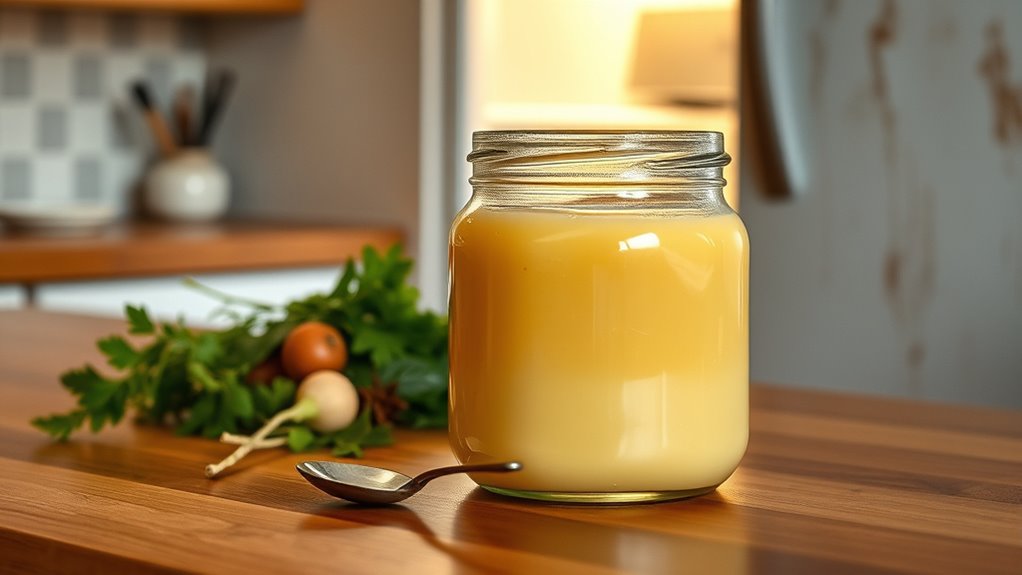
You’ll want to store your beef tallow in airtight containers to keep it fresh and prevent air exposure. Glass jars, especially amber or cobalt blue ones, offer the best protection against light and air, while BPA-free plastic containers can work if sealed tightly.
Choosing the right container and placing it in the coldest part of your fridge will help maintain quality longer.
Airtight Sealed Containers
To keep your beef tallow fresh in the fridge, choosing the right airtight container is essential. Airtight containers prevent oxygen from reaching the tallow, slowing oxidation and extending its shelf life during refrigeration.
Here’s what you should look for:
- Glass jars with airtight seals, such as mason jars, are ideal.
- Containers featuring rubber gaskets or silicone seals create the best airtight environment.
- Dark-colored glass or stainless steel containers help maintain quality longer.
- Avoid flimsy or non-sealing plastic containers, as they let air and moisture in, speeding spoilage.
Glass Versus Plastic
Choosing between glass and plastic containers markedly impacts how long your beef tallow stays fresh in the fridge. Glass storage, especially in amber or cobalt blue jars, shields your tallow from light exposure, preserving its freshness longer. These airtight glass containers with tight-fitting lids prevent air and moisture from entering, reducing oxidation and spoilage.
Plastic containers, however, tend to be more porous, allowing air and moisture to seep in, which speeds up degradation. While silicone or other non-porous containers can work for freezer storage, glass remains the most inert, non-reactive option. For keeping your beef tallow fresh in the fridge, airtight glass jars offer superior protection against light, air, and moisture, making them the best choice for long-lasting storage.
Fridge vs. Room Temp and Freezer Storage Compared
Although beef tallow can last up to a year at room temperature, storing it in the fridge or freezer greatly extends its shelf life and helps maintain quality. Refrigeration slows oxidation and microbial growth, preserving tallow longer than room temperature.
Freezing offers the longest shelf life, especially when using airtight containers.
Consider these storage comparisons:
- Room temp: lasts up to 12 months but is prone to rancidity and spoilage.
- Fridge: extends shelf life to 12–24 months by slowing oxidation and microbial growth.
- Freezer: preserves quality for over 2 years with minimal loss, best in airtight containers.
Airtight sealing and consistent temperature control are essential for all methods to maximize shelf life.
Choosing the right storage depends on how long you want to keep your tallow fresh and usable.
How to Prevent Contamination When Using Refrigerated Beef Tallow
To keep your refrigerated beef tallow fresh, always use clean utensils when scooping to avoid introducing contaminants. Make sure to seal the container tightly after each use to prevent air and moisture from getting in.
Avoid exposing the tallow to moisture, as it can encourage spoilage and bacterial growth.
Use Clean Utensils
Keeping your utensils clean each time you scoop refrigerated beef tallow helps prevent bacteria and moisture from contaminating the fat. To avoid contamination, always use a clean, dry utensil for each use. Never double-dip, as this increases the risk of cross-contamination.
After using utensils, wash and dry them thoroughly to remove any residual fats or bacteria. Proper utensil care is essential when you store your tallow to maintain its quality.
Remember these key points:
- Use a clean, dry utensil every time
- Avoid double-dipping or reusing utensils without washing
- Wash and dry utensils thoroughly before reuse
- Regularly inspect utensils and replace any with rust or residue
Following these steps helps keep your beef tallow safe and fresh longer in the fridge.
Seal Containers Properly
When you seal your beef tallow containers properly, you minimize the risk of contamination and extend the fat’s freshness. Always choose an airtight container with a secure lid or vacuum seal to limit air exposure, which slows oxidation and spoilage. Use a clean, dry utensil to scoop tallow, then immediately seal the container to keep it protected.
Opt for an opaque container to block light, preventing rancidity during storage. Avoid leaving the lid loose or opening the container often, as this invites contaminants and moisture in. Finally, label your container with the storage date so you can track freshness and discard the tallow when it’s past its prime.
Properly sealing your beef tallow ensures it stays safe and flavorful for longer in the fridge.
Avoid Moisture Exposure
Although beef tallow is relatively stable, exposing it to moisture can quickly lead to contamination and spoilage. To keep your beef tallow fresh, you need to be vigilant about moisture control. Always use a clean, dry utensil to scoop from the container to avoid introducing water.
After each use, seal the container tightly to block humidity and air. Store the tallow in an airtight, moisture-proof container to prevent any water ingress. Avoid opening the container near sinks or in humid environments, which can increase moisture exposure.
Finally, regularly inspect the container for condensation or signs of spoilage and discard the tallow if any appear. Following these steps will help you maintain your beef tallow’s quality and extend its fridge life.
Signs Your Refrigerated Beef Tallow Has Gone Bad
If your refrigerated beef tallow smells rancid or sour, it’s a clear sign it’s gone bad. The rancid smell is one of the most obvious indicators of spoilage, so trust your nose. Along with the off smell, watch for discoloration—if your tallow darkens or turns yellow, it’s deteriorating and likely spoiled.
You might also notice changes in texture; if it becomes grainy, sticky, or slimy, bacteria may have started growing. An unusual or bitter flavor, especially metallic notes, also signals that the tallow is no longer fresh. Finally, visible mold, moisture, or bubbles on the surface are sure signs you should discard it.
Don’t consume tallow showing any of these spoilage signs to stay safe.
Tips for Labeling and Tracking Refrigerated Beef Tallow
To keep your refrigerated beef tallow fresh, label each container with the date you rendered or purchased it. Use clear, durable labels and include the expiration or estimated shelf life to track storage duration easily.
You can also log these dates in an app or notebook to monitor multiple batches effectively.
Date Marking Best Practices
When you store beef tallow, labeling each container with the rendering or purchase date using waterproof markers helps you keep track of freshness easily. Proper date marking is essential for monitoring storage duration and ensuring the tallow’s shelf life is respected.
To maintain accurate tracking, follow these best practices:
- Use “best by” or “use by” dates on commercial packages to guide usage.
- Record storage dates on labels or in a log, especially for homemade tallow.
- Update labels promptly if you transfer tallow to new containers.
- Regularly check and adjust expiration labels to avoid using spoiled tallow.
Monitoring Storage Duration
Although beef tallow can last a long time when stored properly, you need to label and track its storage carefully to avoid spoilage. Start by labeling each container with the rendering or purchase date, so you can monitor its freshness easily. Clearly mark the expiration date or use simple handwritten dates to track the storage duration in your fridge.
Regularly check and update these labels to prevent confusion between fresh and expired tallow. Maintaining consistent labeling helps you quickly identify when the tallow should be discarded. By closely monitoring storage duration through clear expiration markings and careful labeling, you’ll ensure your beef tallow stays safe and fresh for use, reducing waste and preventing any accidental use of spoiled fat.
When to Discard Refrigerated Beef Tallow for Safety and Quality
If your refrigerated beef tallow develops a rancid smell, sour odor, or changes in color and texture, you should discard it immediately to guarantee safety. Spoilage signs mean it’s no longer safe to use. Even if it looks fine, don’t keep tallow beyond 24 months, as quality and safety decline.
Regular checks help you catch off-odor and visual changes early. Discard tallow if you notice:
- Rancid or sour smell indicating spoilage
- Sticky, grainy texture or significant darkening
- Mold growth on the surface
- Storage beyond two years, even without visible changes
Frequently Asked Questions
Will Beef Tallow Go Bad in the Fridge?
Yes, beef tallow can go bad in the fridge if it’s exposed to air, light, or heat.
You’ll notice spoilage by a sour smell, discoloration, or texture changes, so always check before using it.
How Do You Know if Beef Tallow Is Bad?
You’ll know beef tallow’s bad when it hits your nose with a sour, metallic smell or looks unusually dark and sticky.
If it tastes bitter or shows mold, don’t hesitate—throw it away immediately.
How Long Before Tallow Goes Rancid?
Beef tallow usually goes rancid after 12 to 24 months in the fridge.
You’ll want to check for off smells, changes in color, or texture regularly to make sure it’s still good before using it.
Is Beef Tallow Healthier Than Butter?
Imagine choosing between two warriors—beef tallow, strong but stern, and butter, gentle yet bright.
You’ll find tallow’s higher saturated fat less heart-friendly, so you shouldn’t trust it as healthier than butter. Choose wisely.
Conclusion
Think of your beef tallow like a loyal friend—you want to keep it cool and safe to enjoy its best company. Stored properly in the fridge at around 35-40°F, it can last up to a year, just like a well-aged friendship that only gets better with time.
Remember to use airtight containers and watch for changes in smell or color. Treat it right, and your tallow will always be ready to lend a flavorful hand. Proper storage is key to ensuring your beef tallow lasts as long as possible in the fridge.