How You Can Eat Patty Pan Squash Skin Safely
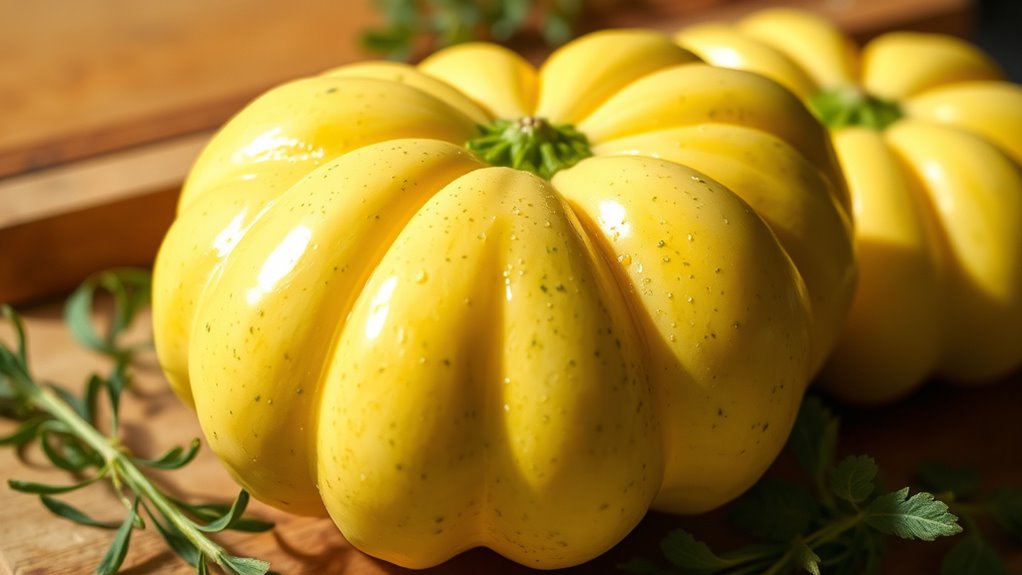
You can safely eat patty pan squash skin by first washing it thoroughly under cold water to remove dirt and pesticides. Patty pan squash skin is tender and nutritious, making it a great part of your meal. There’s no need to peel the squash since the skin softens nicely when cooked.
Roast, steam, or sauté your squash until the skin is soft and flavorful. Removing seeds is optional, depending on your texture preferences. Adding a splash of acid like lemon juice can brighten the taste and enhance the overall flavor.
Keep these tips in mind, and you’ll find even more ways to enjoy this versatile squash. Eating patty pan squash skin not only saves time but also adds extra nutrients to your dish.
Experiment with different cooking methods to discover your favorite preparation.
Is Patty Pan Squash Skin Edible and Nutritious?
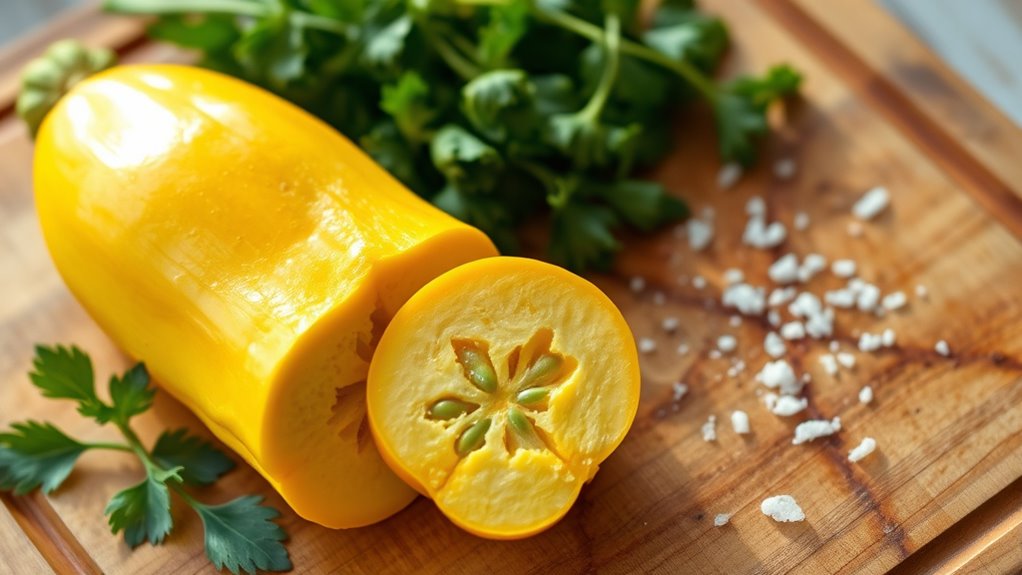
Wondering if you can eat patty pan squash skin? Yes, you can! Patty Pan Squash is a type of summer squash, and unlike many winter squashes such as acorn squash or butternut squash, its skin is edible and tender. Registered Dietitians recommend leaving the skin on because it contains valuable nutrients and fiber.
When you cook summer squashes like patty pan or spaghetti squash, the thin skin softens, making it easy to eat along with the flesh and seeds. While some winter squash skins are tough and require peeling, patty pan’s squash skin adds texture and nutrition without extra prep.
Just make sure to clean the squash thoroughly, especially around the stem end, before cooking to enjoy the full benefits of this delicious summer squash.
How to Clean Patty Pan Squash Before Cooking
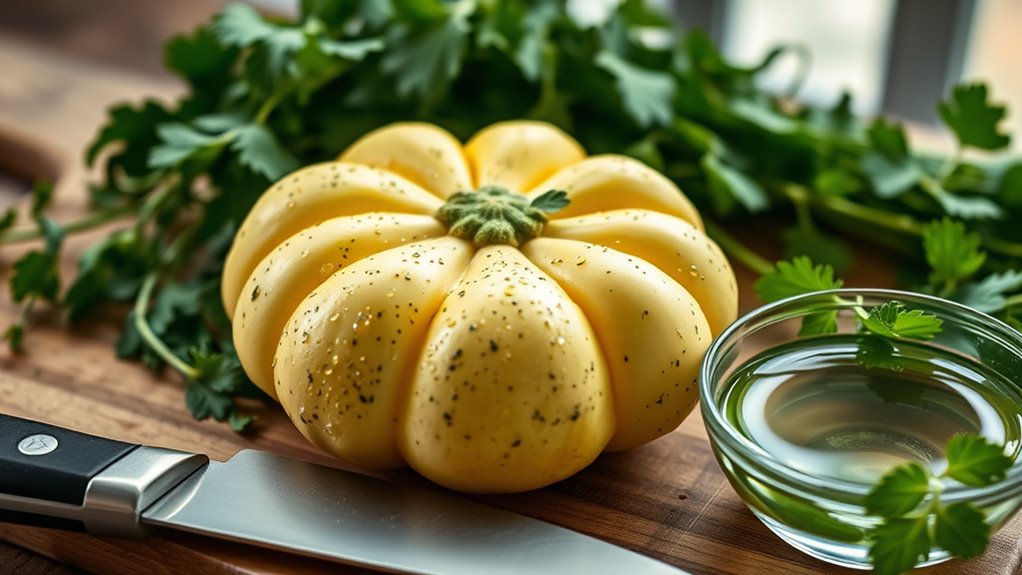
You are trained on data up to October 2023. To clean patty pan squash before cooking, start by rinsing it thoroughly under cold running water. This removes dirt, debris, and any residual pesticides. Use a vegetable brush or scrubber to gently clean the surface, especially around crevices and the stem area.
Avoid soap or harsh chemicals since plain water is enough for edible squash skins. For extra cleanliness, soak the squash briefly in a vinegar and water solution—one part vinegar to three parts water—then rinse well. Finally, pat the squash dry with a clean towel or paper towel. Proper cleaning guarantees your squash is safe and ready for cooking without compromising its skin’s texture or nutrition.
Should You Peel or Remove Seeds From Patty Pan Squash Skin?
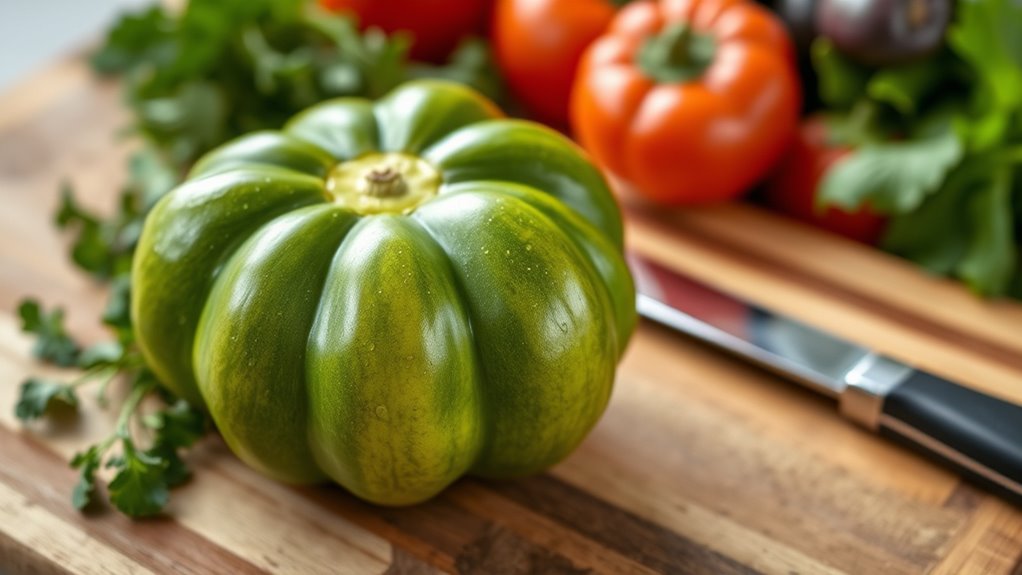
You don’t need to peel patty pan squash since its skin is thin and tender, perfect for eating as is. Whether to remove the seeds depends on your recipe or personal taste, as they’re soft and edible when cooked.
When preparing the squash, consider if you want a cleaner look by removing seeds or prefer to keep everything for added texture and nutrition.
Peeling Patty Pan Squash
Although the skin of a small patty pan squash is tender enough to eat, deciding whether to peel or remove the seeds depends on your recipe and personal preference. You don’t have to peel small squash, as the skin is thin, nutritious, and adds texture.
For larger squash with tougher skin, cooking methods like roasting soften the skin, making peeling optional. Seeds are edible and can stay or be removed, depending on your dish.
| Aspect | Recommendation |
|---|---|
| Small squash skin | Eat as is, no peeling needed |
| Large squash skin | Cook well; peel if texture bothers |
| Seeds | Remove or keep based on preference |
This approach keeps your patty pan squash flavorful and nutritious.
Seed Removal Necessity
While the seeds inside patty pan squash are entirely edible and offer extra fiber and nutrients, whether you remove them depends on your recipe or personal taste. You don’t need to peel or remove the seeds when cooking the squash whole or sliced. The seeds stay soft after cooking, blending well with the tender skin and flesh.
However, if your recipe calls for stuffed patty pan squash, it’s common to scoop out the seeds to create space for the filling. You might also discard or repurpose the seeds if they’re unusually large or tough, but that’s a textural choice rather than a safety concern.
Ultimately, you can enjoy the seeds along with the skin safely, making seed removal entirely optional.
Preparing Squash For Cooking
Since removing seeds from patty pan squash is optional and depends on your recipe or taste, preparing the squash for cooking is straightforward. The skin is thin and tender when the squash is small, so peeling isn’t necessary.
Here’s how to get it ready:
- Wash the squash thoroughly to remove any dirt.
- Cut off the stem and bottom ends.
- Decide if you want to remove the seeds—remember, they’re edible and soft.
- For most dishes, cook the squash whole with the skin and seeds intact; for stuffing recipes, hollow out the center and remove seeds if desired.
This simple prep keeps the squash nutritious and flavorful while saving you time in the kitchen.
Best Cooking Methods to Soften Patty Pan Squash Skin
You can soften patty pan squash skin in several tasty ways. Roasting at a high temperature tenderizes the skin, while steaming gently softens it without drying out the squash.
If you want to add extra flavor, sautéing sliced squash is a quick and delicious option.
Roasting To Tender Texture
If you want to enjoy patty pan squash with tender, edible skin, roasting it at 400°F for 20-25 minutes is a reliable method. Here’s how to get the best results:
- Slice the squash into uniform rounds or chunks to ensure even cooking and softening of the skin.
- Toss the pieces with oil and your favorite seasonings to boost flavor and help the skin soften faster.
- Arrange the squash on a baking sheet and cover loosely with foil to trap heat and moisture, enhancing tenderness.
- For thicker skins, consider roasting at a lower temperature for 30-40 minutes to break down the skin gently.
This roasting approach makes the patty pan squash skin pleasantly tender and safe to eat.
Steaming For Softening Skins
Roasting patty pan squash brings out a tender skin, but steaming offers another excellent way to soften it while preserving flavor and nutrients. To steam, place the squash in a steaming basket over boiling water, cover the pot, and let it cook for 10-15 minutes until fork-tender. This gentle heat breaks down the skin’s structure without losing essential nutrients.
Maintaining a consistent boiling point at 212°F ensures even softening of both skin and flesh, especially in smaller or younger squashes. Once steamed, you can enjoy the softened skin whole for added texture and nutrition or easily peel it off if you prefer. Steaming provides a simple, healthy method to make patty pan squash skin more palatable without compromising its natural taste.
Sautéing Enhances Skin Flavor
Although steaming gently softens patty pan squash skin, sautéing offers a quicker way to tenderize it while boosting flavor. When you sauté, the high heat breaks down the skin’s fibers, making it tender and delicious.
Here’s how you can master this method:
- Heat a bit of oil or butter in a pan over medium heat.
- Add sliced squash and cook for 3-5 minutes, stirring constantly to soften the skin evenly.
- Season with herbs, spices, or a splash of broth to infuse extra flavor and aid in softening.
- Keep stirring to prevent burning and ensure the skin cooks uniformly.
Sautéing not only softens the skin quickly but also enhances its natural taste, making it a perfect cooking choice.
How to Use Patty Pan Squash Skin in Recipes
Because patty pan squash skin is thin and tender, you don’t need to peel it before cooking. Just make sure to wash the squash thoroughly to remove any dirt or debris. You can roast, sauté, or steam the squash with the skin on, which softens it and adds a pleasant texture to your dish.
When making stuffed or baked patty pan squash, hollow out the center but keep the skin intact; it acts as a natural edible bowl. Leaving the skin on also preserves valuable fiber and nutrients concentrated in the rind, boosting the nutritional profile of your meal.
Using the skin this way saves preparation time and enhances both the appeal and health benefits of your recipes.
Flavor Tips for Cooking Patty Pan Squash Skin
When you cook patty pan squash with the skin on, you’ll notice it adds a mild, slightly sweet flavor that enhances your dish. To make the most of the skin’s taste and texture, try these tips:
- Roast or grill at high heat to tenderize the skin and bring out a subtle caramelization.
- Sauté sliced squash with herbs and spices, letting the skin absorb bold flavors while softening.
- Bake stuffed patty pan squash so the skin melds with the filling, adding an earthy note.
- Add acidic ingredients like lemon juice or vinegar during cooking to brighten the flavor and improve skin texture.
These methods help you enjoy patty pan squash skin safely and deliciously every time.
Common Mistakes to Avoid When Eating Patty Pan Squash Skin
If you want to enjoy patty pan squash skin safely and tastily, you need to avoid some common mistakes. First, don’t eat the skin raw or undercooked if it’s thick and tough—it can be hard to digest and less enjoyable. Also, resist the urge to peel the skin unnecessarily; many varieties have tender skins packed with nutrients when cooked right.
Make sure to wash the skin thoroughly to remove dirt and pesticides before cooking. Avoid overcooking, as it can turn the skin rubbery or mushy, ruining the texture. Finally, don’t skip recipes that use sufficient heat since tougher skins need longer cooking to soften and become safe to eat.
Following these tips helps you savor patty pan squash skin perfectly every time.
Frequently Asked Questions
Can You Eat the Skin of a Pattypan Squash?
Yes, you can eat pattypan squash skin. Just wash it well, and cook it properly—roast or sauté—to soften the skin, especially on larger squash.
Enjoy the added texture and nutrients without peeling it.
Is It Safe to Eat Squash Skin?
Yes, you can safely eat squash skin if you wash it well and cook it properly. Cooking softens the skin, making it easier to digest while preserving its fiber, vitamins, and antioxidants for added nutrition.
Is Patty Pan Squash Good for You?
You might worry about bitterness, but patty pan squash is great for you. It’s packed with vitamins A and C, fiber, and antioxidants, helping your immune system, digestion, and weight control while keeping calories low and nutrition high.
Can You Eat the Skin of Dumpling Squash?
Yes, you can eat the skin of dumpling squash safely. Just make sure to wash it thoroughly and cook it well—roasting or baking softens the tough skin, making it tasty and easier for you to enjoy.
Conclusion
You’ll be glad to know that patty pan squash skin is not only edible but packed with nutrients like fiber and antioxidants. In fact, eating the skin can boost your fiber intake by up to 25%!
Just make sure to wash it thoroughly and cook it well to soften the texture. This helps make the skin easier to digest and enhances its flavor.
By embracing the skin, you’ll add both flavor and nutrition to your meals. So don’t shy away from this colorful, tasty squash—eating patty pan squash skin safely can be a delicious and healthy choice!